Department of Psychology · UNCW
Learning
about learning.
We study how to support each learner by understanding how stimulus control technologies and learner repertoires interact. Doing so helps us improve instructional technologies.
Four questions we keep revisiting
What learners actually attend to
When studying effective instructional procedures, it sometimes becomes apparent that our learners did not quite learn what we intended. We examine common stimulus arrangements in early educational or clinical settings to study what controls a learner's responding and how to foster control by those intended conditions.
Learn more → Instructional technologyTeaching on a tablet
We evaluate tablet-based instructional programs to improve outcomes for learners across a range of tasks.
Learn more → Experimental designBetter single-case methods
Single-case designs let us answer questions about individuals. We study how those designs are built, analyzed, and reported, and where the field's conventions fall short.
Learn more → Errorless learningTeaching without the errors
If instruction is arranged well enough, a learner may never need to guess wrong. We test stimulus control technologies that make correct responding the path of least resistance, with children with and without disabilities, and with rats.
Learn more →A teaching lab, first
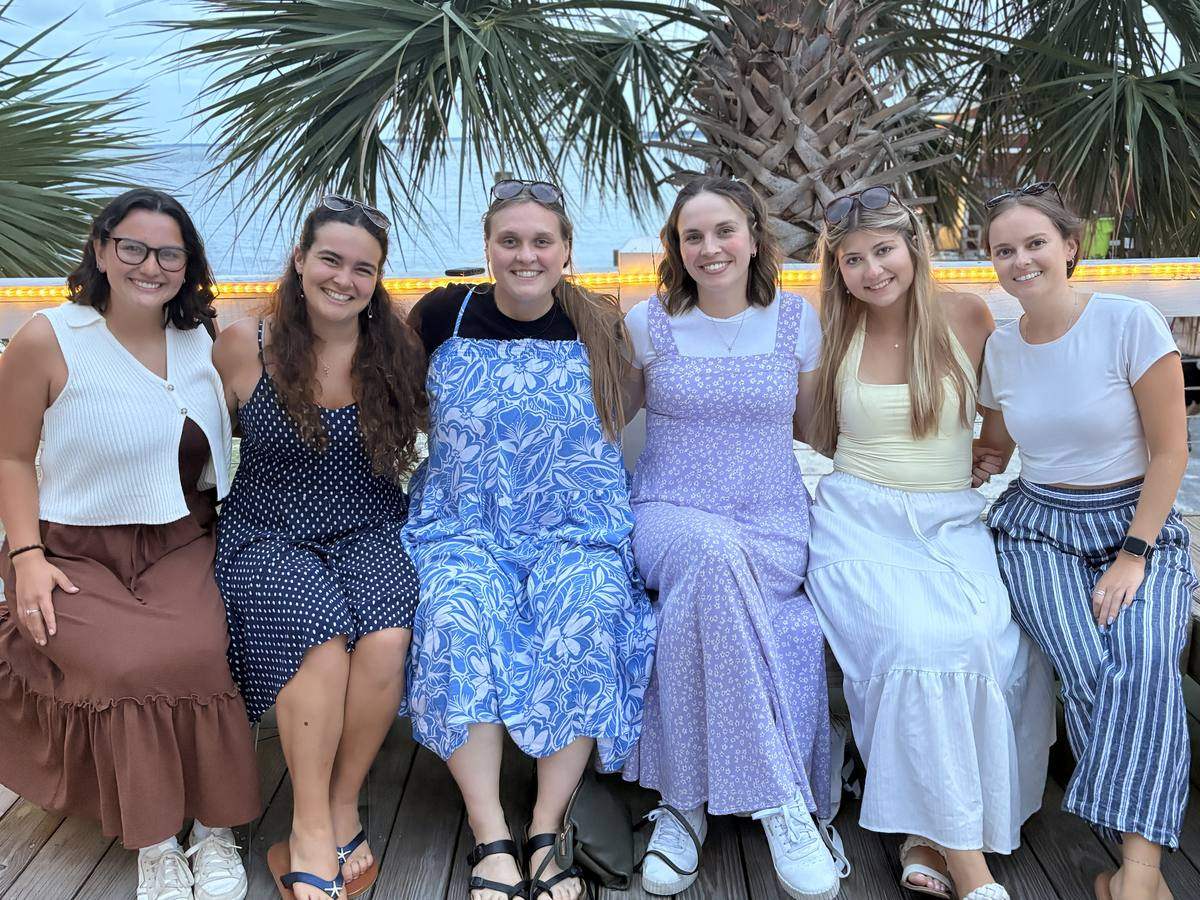
Our research team is made up of graduate and undergraduate students at the University of North Carolina Wilmington, working under the mentorship of Dr. Tom Cariveau. Lab members bring different interests, but all of them focus on methods to improve learning outcomes for children with and without developmental disabilities.
Students are involved in every stage of the research program. They run sessions, analyze their data, and present the work. Most of what we publish has a student as a first author.
Taylor Lewis on diverse training.
Taylor spent part of her doctoral training in UNCW’s rat and pigeon labs while writing an applied dissertation on early reading. Writing for ABAI’s Behavior Analysis Blogs, she makes the case for that kind of detour: that working with other species, methods, and literatures made her a better applied researcher and a more careful thinker about what controls responding.
If you want to know what training in this lab is actually like, read hers rather than ours. It is the best account we could point you to, and we didn’t write it.
From the lab
Taylor Lewis completes her Ph.D. and joins Middle Tennessee State University
Sidney W. & Janet R. Bijou Grant: Taylor Lewis
Two new papers in the Journal of Applied Behavior Analysis
Rising Research Excellence Award: Tom Cariveau
Students, schools, and clinics
Undergraduates and graduate students at UNCW can join the lab as research assistants and take on projects of their own. If you work in a school or clinic and want to study assessment or intervention practices with us, we'd like to hear from you.
To get in touch, contact Dr. Cariveau at his UNCW email address.